An alarm system that triggers a notification and nothing else isn't security — it's a log entry. The value of an alarm is entirely in what happens in the minutes after it goes off, and for most businesses, that's the part nobody thinks through until 2 AM actually happens.
The notification is just the start
Most commercial alarm systems are built to alert — a call center gets a signal, and depending on your monitoring plan, that might turn into a phone call to you, a call to police, or nothing at all until someone checks in the morning. None of those outcomes put a person on site to find out what actually triggered it.
What a real response looks like
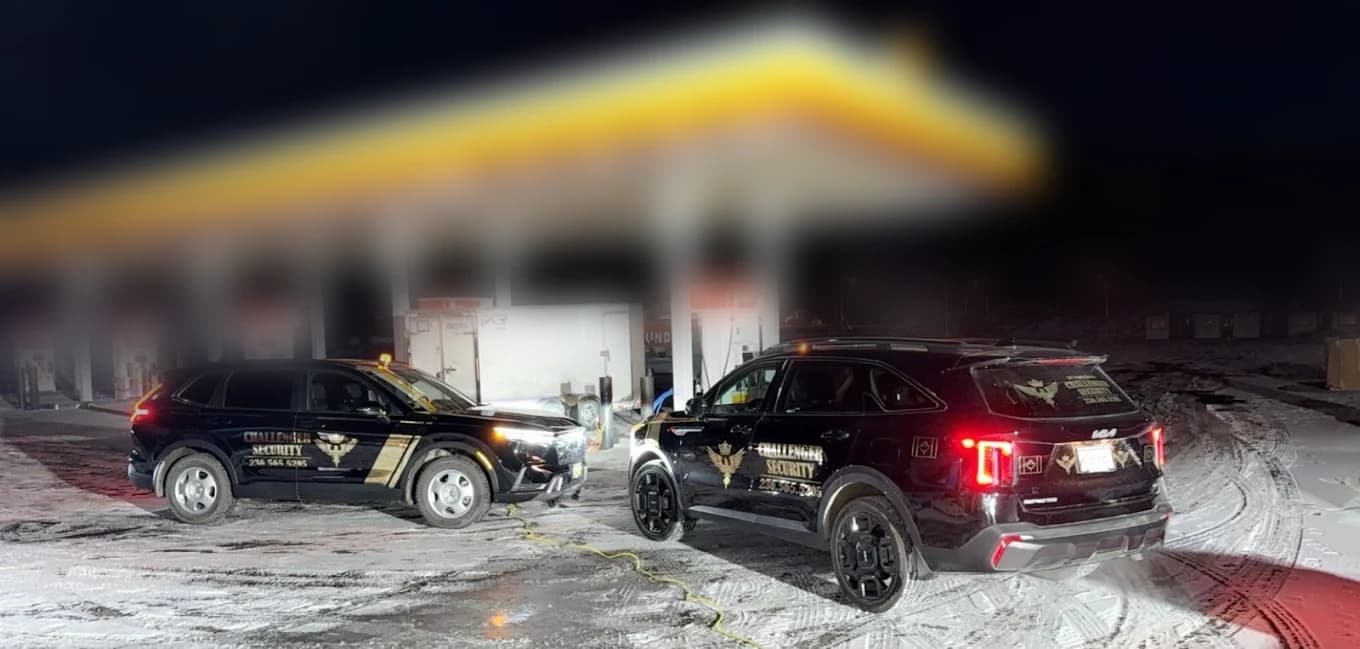
When we get an alarm response call, an officer is dispatched to the property right away. On arrival, that means a full walk-around of the building — checking doors, windows, and any other entry points for signs of forced entry, confirming whether anyone is still on or near the property, and assessing whether it's a false alarm, a mechanical trigger, or something that needs police involvement.
If there's evidence of a break-in or anything police should be aware of, we coordinate directly with them on site. Either way, you get a direct call afterward telling you exactly what was found — not just a notification that something happened, but an answer to what it was.
Why the response matters more than the alarm
A false alarm at 2 AM that nobody checks is a minor inconvenience. A real break-in at 2 AM that nobody checks is a very different problem by the time you find out about it at 9 AM. The gap between those two outcomes is entirely about whether a person shows up while it's still happening, not after.
If your current alarm setup ends at a phone notification, alarm response coverage closes that gap. We're available 24/7 — reach out if you want to talk through what response would look like for your property.